BLOG
Logistics Lead Generation: A Practical Guide to Building a Sustainable Sales Pipeline (2025)


If you run sales or marketing for a logistics, freight brokerage, 3PL or last-mile provider, your growth depends on one thing: a repeatable, measurable lead-generation system. This guide distills what works in 2025 — practical tactics you can launch fast, KPIs to track, and a plug-and-play pilot path so you can start booking qualified meetings quickly.
Why logistics lead generation needs a system (short answer)
The logistics market is large and fragmented. Volume fluctuates, margins are thin, and buying decisions are typically multi-stakeholder and seasonal. A sustainable lead-generation process:
Smooths revenue volatility
Lowers customer acquisition cost (CAC) over time
Enables predictable hiring and planning
Improves funnel quality so sales closes more deals
You need both short-term pipeline (outbound + SDR-driven) and long-term scalable demand (content, SEO, referrals). This guide combines both.
1. Start with a razor-sharp ICP (Ideal Customer Profile)
Don’t guess. Define.
Essential ICP fields for logistics:
Vertical (e-commerce, retail, manufacturing, automotive)
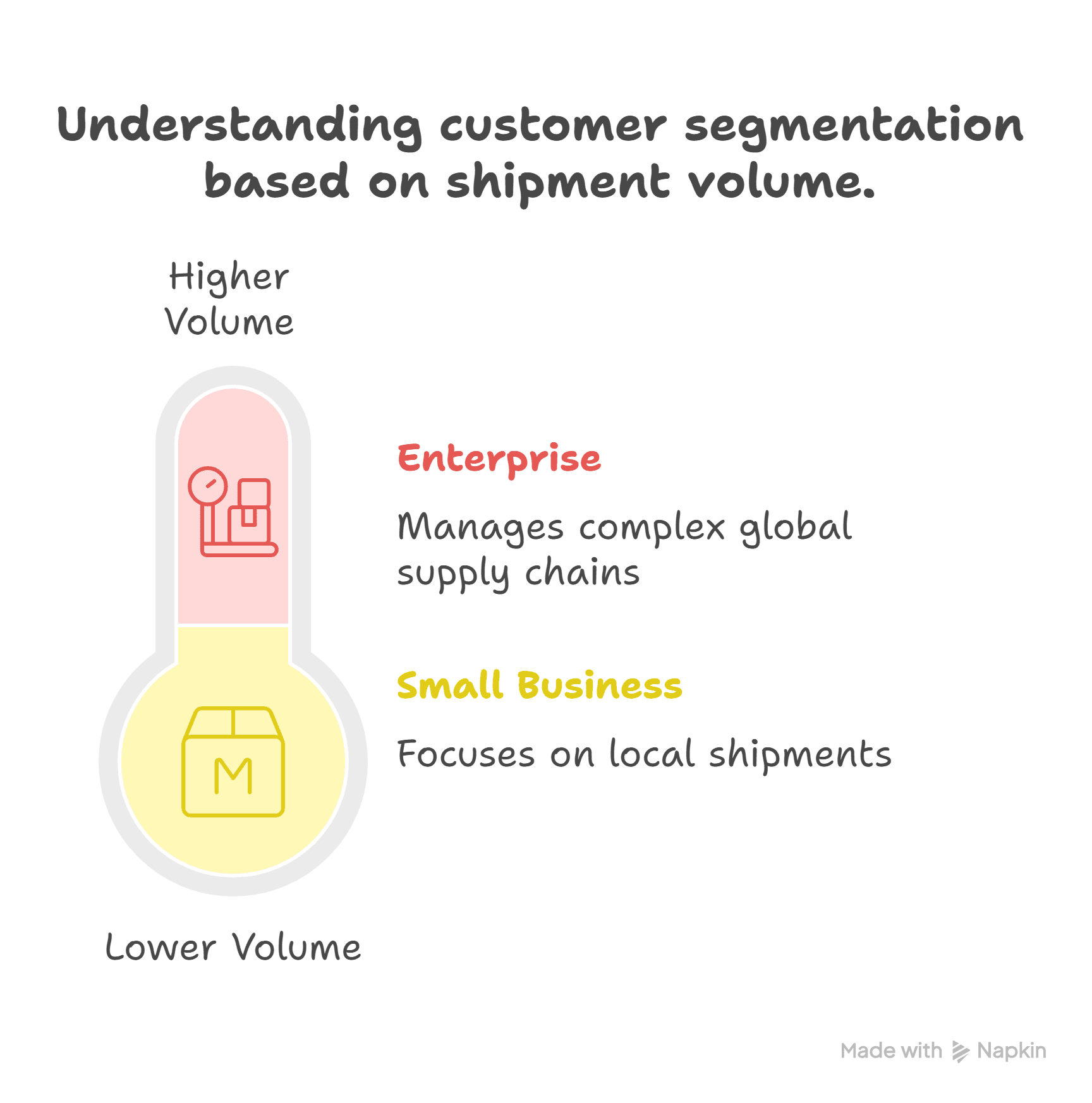
Shipment volume / revenue bands (e.g., $10M–$50M; >$200M)
Typical lanes (domestic west-coast imports, cross-border, last-mile metro)
Technology signals (TMS, WMS, ERP vendors)
Buying roles (VP Logistics, Head of Ops, Procurement, CFO)
Action: Build 100 Tier-A accounts and 300 Tier-B prospects. Save firmographics + technographics in your CRM for segmentation.
2. Combine inbound + outbound — not one or the other
A durable pipeline mixes:
Inbound (long game, high LTV)
SEO + content: how-to guides, lane-specific case studies, cost calculators.
Webinars & whitepapers: gated assets that qualify intent (ask for ship volumes, lanes).
Social proof: load pages with real numbers, client logos, and micro case studies.
Outbound (fast game, fast pipeline)
Intent-prioritized lists (reach buyers researching freight, consolidation, or fulfillment).
Multi-channel cadences (phone + email + LinkedIn + video).
SDR or managed appointment setting to guarantee meeting velocity.
Short term: run outbound to fill months 0–2. Parallel: publish targeted SEO content that matures into cheaper inbound leads months 3–9.
3. Use intent and trigger data to time outreach
Intent signals (searches, content consumption, download behavior) let you contact buyers when they’re actively researching solutions.
How to use intent:
Tag “hot” prospects and push them to an accelerated cadence.
Use content viewed to tailor the outreach message (e.g., “saw you looked at consolidation services — quick idea…”).
Prioritize outreach to accounts with recent job postings or procurement RFx announcements (signals of scaling).
Outcome: higher reply rates and faster decision timelines.
4. Cold calling — problem-first, rapid value
Cold calling still works in logistics when you call verified numbers and open with a tangible problem.
30-second opener:
“Hi [Name], quick one — we helped [similar company] cut detention charges by ~30% on their port imports. I saw you handle [lane/volume]; is cutting port fees something you’re tracking?”
Tactics:
Use phone-verified lists (mobile or direct lines).
Book short ops calls (15 minutes) focused on cost drivers, not features.
Rotate objections and proof points weekly.
Metric: aim for an 8–12% connect→meeting ratio on well-targeted lists.
5. Build a repeatable, personalized cadence
A cadence is your process blueprint. Personalize early touches; automate followups.
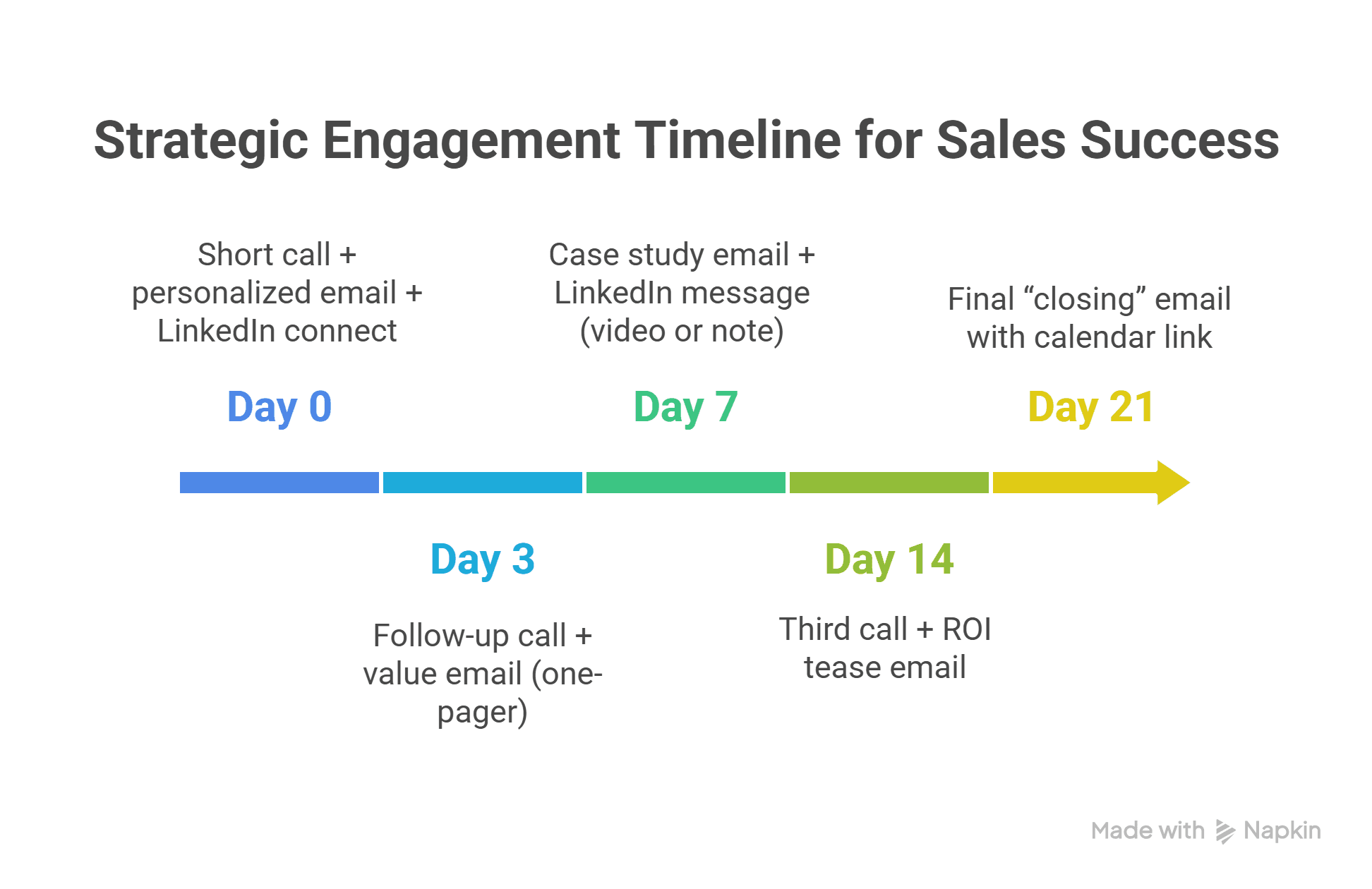
Example 4-week cadence:
Day 0: Short call + personalized email + LinkedIn connect
Day 3: Follow-up call + value email (one-pager)
Day 7: Case study email + LinkedIn message (video or note)
Day 14: Third call + ROI tease email
Day 21: Final “closing” email with calendar link
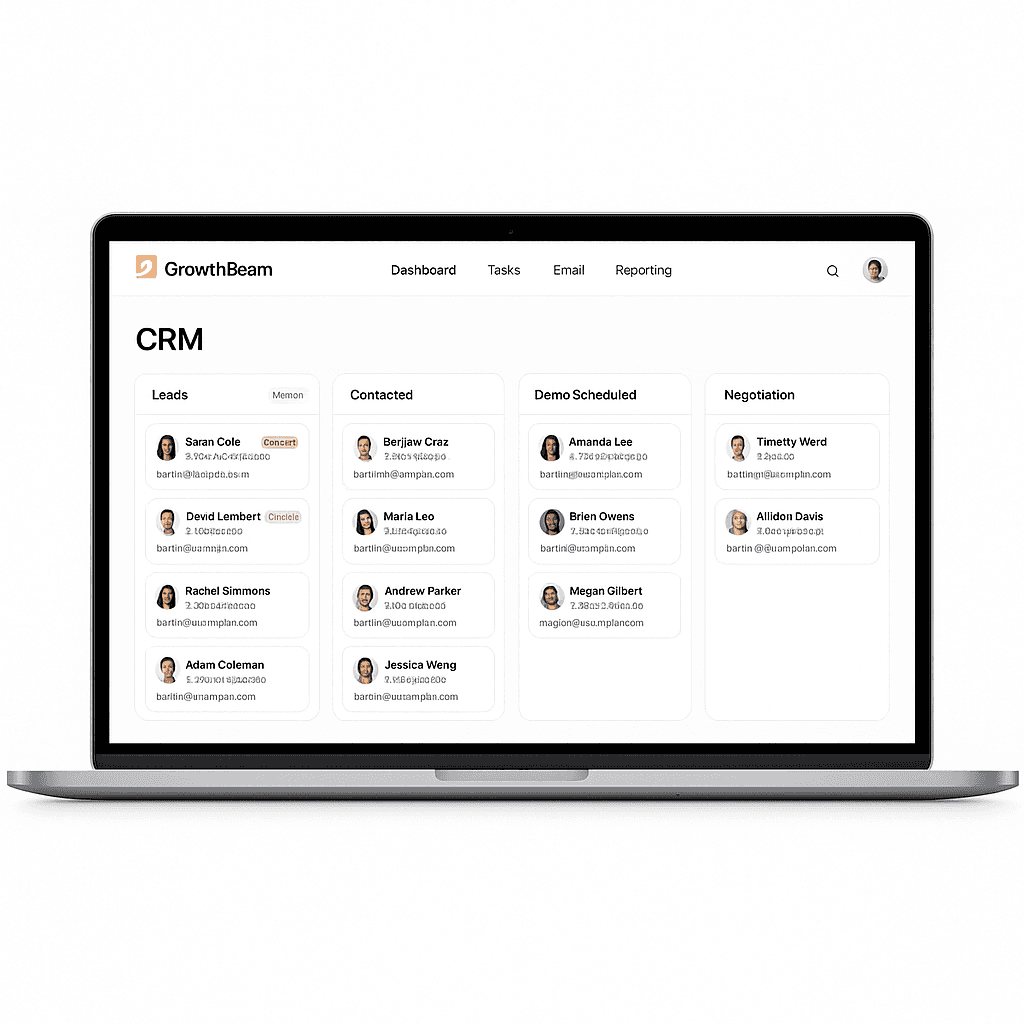
Always include a single new insight per touch. Platforms like Outreach or GrowthBeam can run cadences while injecting real personalization.
6. Multi-thread accounts (engage ops, procurement & finance)
Logistics buying is collaborative. Map 3–4 stakeholders per account and engage them with role-specific value:
Ops: reliability, on-time pickup metrics, exception reduction
Procurement/Finance: landed cost, invoice audits, payment terms
C-suite: scalability, revenue enablement, SLA guarantees
The earlier multiple roles are aware of your solution, the faster internal championing happens.
7. Prioritize case studies that prove operational credibility
Case studies are gold in logistics. They eliminate “can they actually do this?” risk.
Structure:
Situation & lane
Specific operational challenge
Tactical solution (routing, tech, partner orchestration)
Measured outcome (% cost saved, days reduced, service uptick)
Use snippets of case studies in cold emails and full case PDFs in mid-funnel nurture.
8. Create low-friction referral programs
Referrals shorten the sales funnel and lower CAC. Offer shipment credits, service discounts, or tiered rewards for qualified referrals that convert.
Process:
One-click referral links in email footer
Simple referral landing page with tracking
Reward on close, not just intro
Measure referral LTV vs. paid channels.
9. Expand methodically — test new lanes with small pilots
When scaling to new regions or verticals, run a micro-pilot:
500 prospects, 4-week cadence, one tailored case study
Measure CPM, meeting rate, and close rate over 60 days
Scale winners only
This avoids wasted spend and preserves margins.
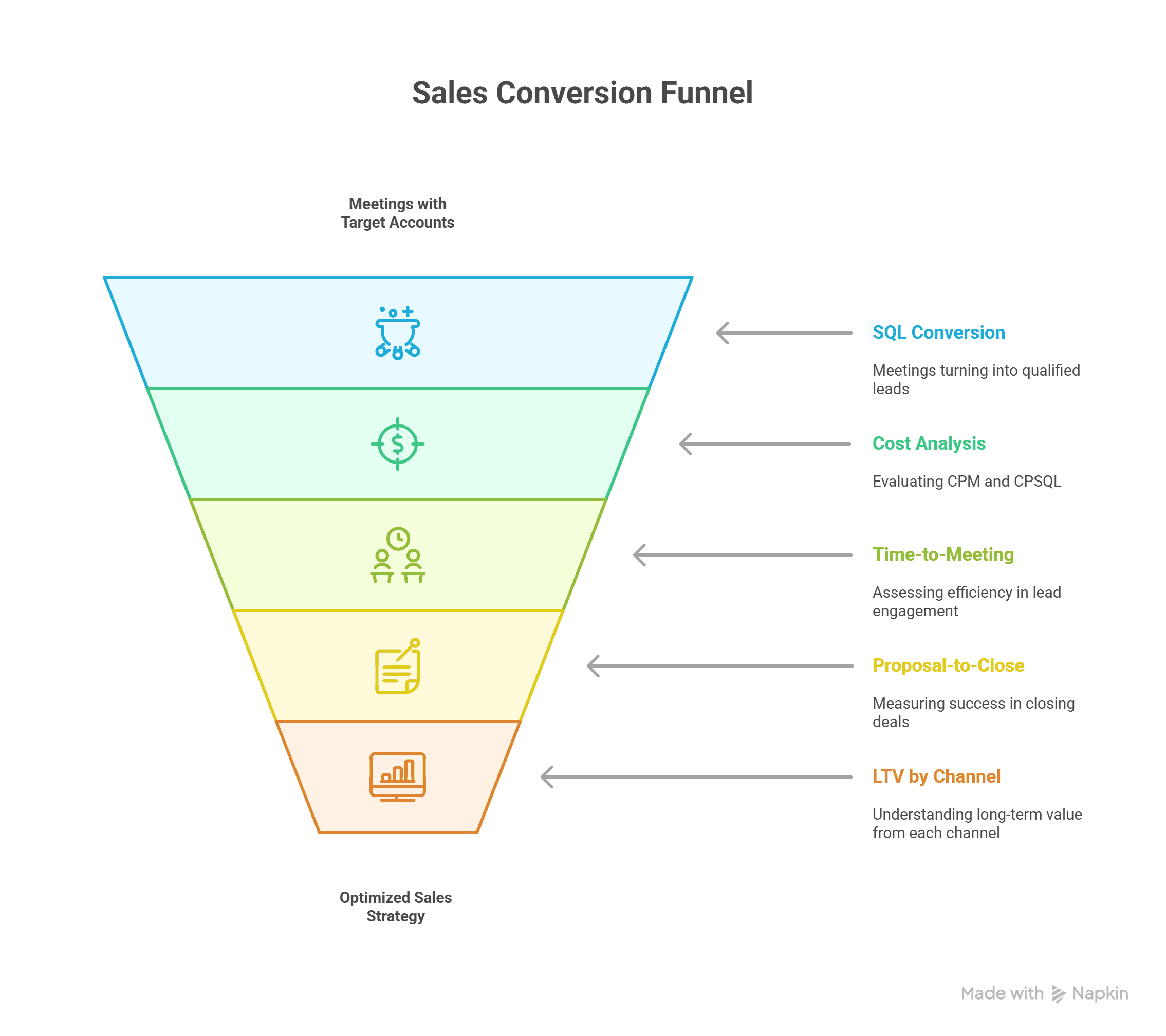
10. Track the metrics that matter
Don’t drown in vanity metrics. Track:
Meetings per 100 target accounts
Meetings → SQL conversion
Cost per meeting (CPM) and cost per SQL (CPSQL)
Time-to-first-meeting (for intent leads)
Proposal→close ratio
LTV by acquisition channel
Run weekly standups and iterate one variable at a time (subject line, script, intent threshold).
Quick messaging swipes you can use now
Email subjects
“[Name], quick freight idea for [lane] shipments”
“3 ways to cut detention at [port name]”
“How [peer company] cut landed cost by 18%”
LinkedIn opener
“Hi [Name] — noticed you manage [lane]. We helped [similar company] trim carrier spend by 18% — can I send a short one-pager?”
Cold call opener
“Quick question — are you tracking detention/demurrage on your [lane] imports? We helped peers reduce it ~30%.”
7-Day Launch Checklist (get a pilot running fast)
Build ICP + 100 Tier-A accounts
Enrich contacts (email + phone verified)
Connect an intent feed and set hot/warm queues
Create 4-week multi-channel cadence (phone + email + LinkedIn)
Produce 2 short case studies (ops & finance angle)
Prepare 1-page custom offer template for Tier-A meetings
Set KPIs and weekly reporting (meetings, CPM, SQLs)
Run the 30–60 day pilot, measure, and scale the top-performing sequences.
Why GrowthBeam accelerates sustainable logistics pipeline (non-salesy, practical)
You can build everything above manually — or you can use a platform that stitches intent, verified data, personalization and execution together.
GrowthBeam gives logistics teams:
Intent + data fusion to contact buyers when they’re researching.
Phone-verified enrichment so cold calls connect.
Hyper-personalized cadences at scale (real personalization, not token merge fields).
Multi-thread workflows to engage ops, procurement and finance in parallel.
Managed pilot option to book qualified meetings while your team focuses on closing.
If you want a fast, measurable pilot that plugs into your CRM and produces the first set of sales meetings within weeks, GrowthBeam is built for that path.
👉 Start a 30-day logistics pilot with GrowthBeam — we’ll build the Tier-A list, run an intent-prioritized cadence, deliver qualified meetings, and hand you the playbook and scripts used.