BLOG
Lead Generation Tips for Logistics Companies (2026 Guide)


How freight forwarders, 3PLs, and logistics providers can attract high-quality clients consistently
Generating leads in logistics has never been more challenging — or more important. In 2026, independent freight forwarders and small to mid-sized logistics companies must compete against tech-enabled giants, rising customer expectations, and rapid digitization across the supply chain.
To stay relevant and grow your customer base, you need a structured, modern lead generation strategy that attracts, nurtures, and converts the right prospects.
This guide breaks down the most effective lead generation tips logistics companies should implement today to drive measurable growth.
What Is Lead Generation — and Why Does It Matter in 2026?
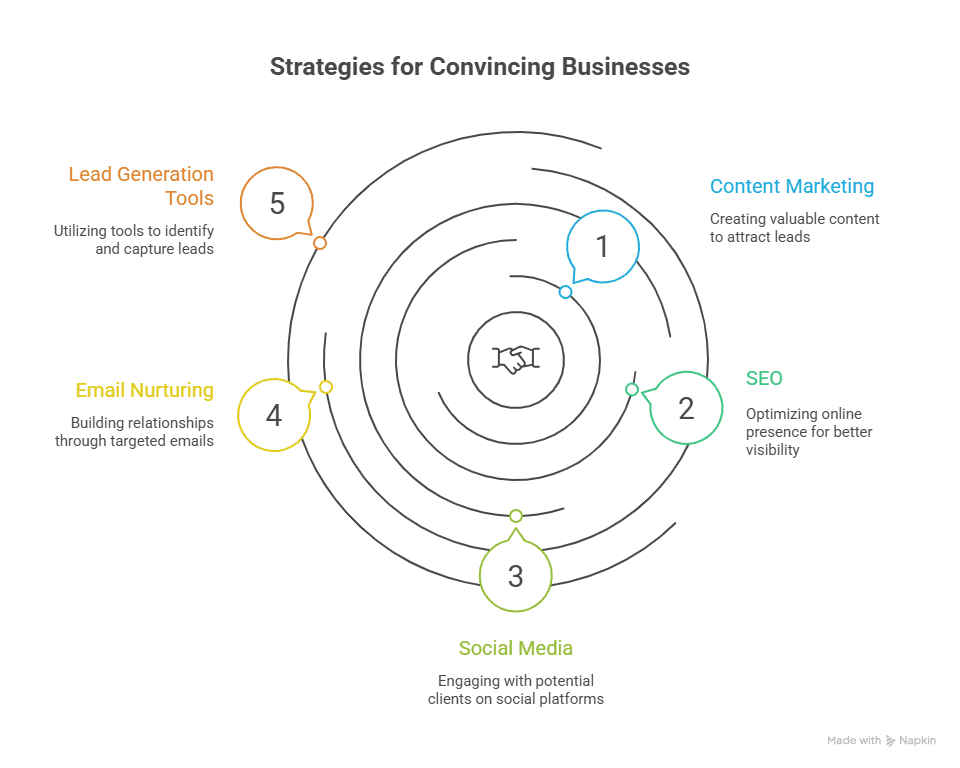
Lead generation is the process of attracting potential customers using:
Content marketing
SEO
Social media
Email nurturing
Lead generation tools
In simple terms:
It’s how you convince businesses to choose your logistics or freight forwarding services over competitors.
This has become especially crucial because:
The buyer journey is now digital
Clients research solutions before speaking to a provider
Competition has increased significantly
Decision-makers expect personalized communication
A strong pipeline = predictable revenue
In a market where switching providers is easy, logistics companies must actively nurture relationships and provide value long before a prospect becomes a customer.
How Logistics Companies Can Generate More Leads
Below are proven, practical, and high-impact strategies logistics companies (especially smaller freight forwarders) can use to consistently attract new business.
1. Understand the Market and Your Prospect’s Mindset
Before launching any lead generation campaign, logistics companies must research:
What clients want from a logistics provider
Their biggest frustrations with previous partners
Their expectations around delivery speed, price, transparency
The type of communication decision-makers prefer
How to gather insights effectively:
✔ Run online surveys
✔ Conduct social media polls
✔ Ask existing customers for feedback
✔ Track industry discussions on LinkedIn
✔ Analyze competitor reviews
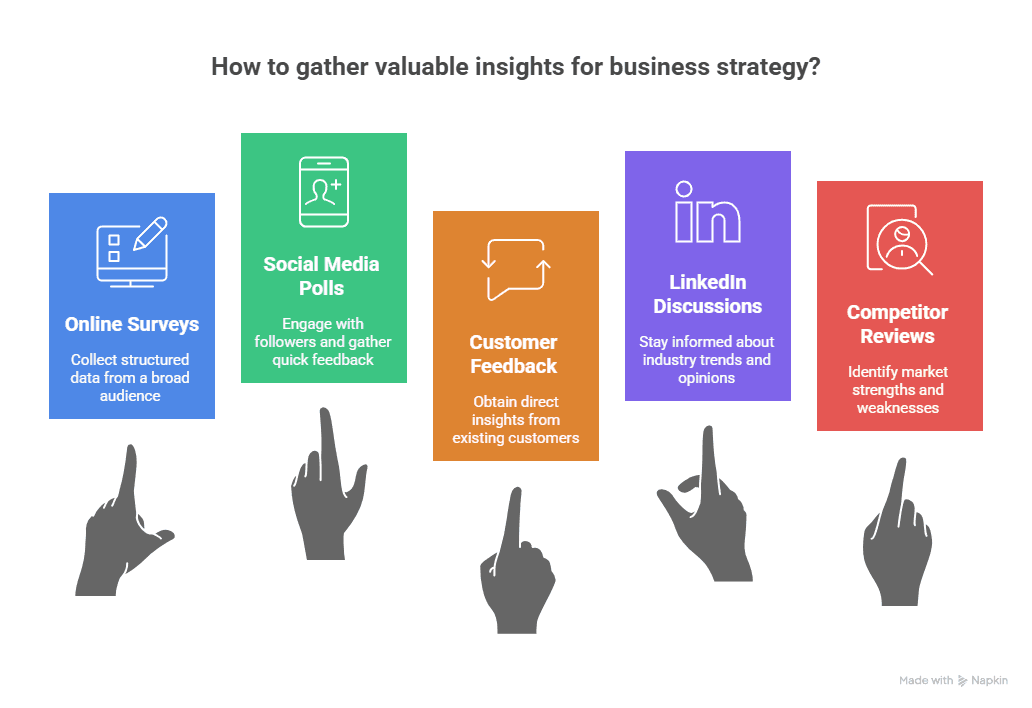
Understanding the customer’s mindset helps you craft messaging that hits the exact pain points they care about — making conversion much more likely.
2. Highlight Your Strengths and Unique Value
To stand out in a crowded logistics market, you must clearly explain:
Why a business should choose you
How you’re different from other forwarders or logistics firms
The specific problems you solve
The niche areas where you perform best
Examples of value points you can highlight:
Specialized routes or regional expertise
Long-standing partner contracts
Competitive pricing
Faster documentation processing
Better customer service
Advanced tracking capabilities
Strong relationships with carriers and shipping lines
When prospects understand your strengths, trust grows — and conversions follow.
3. Implement a High-ROI Email Marketing Strategy
Email marketing remains one of the most powerful tools for logistics lead generation, especially for smaller companies with limited resources.
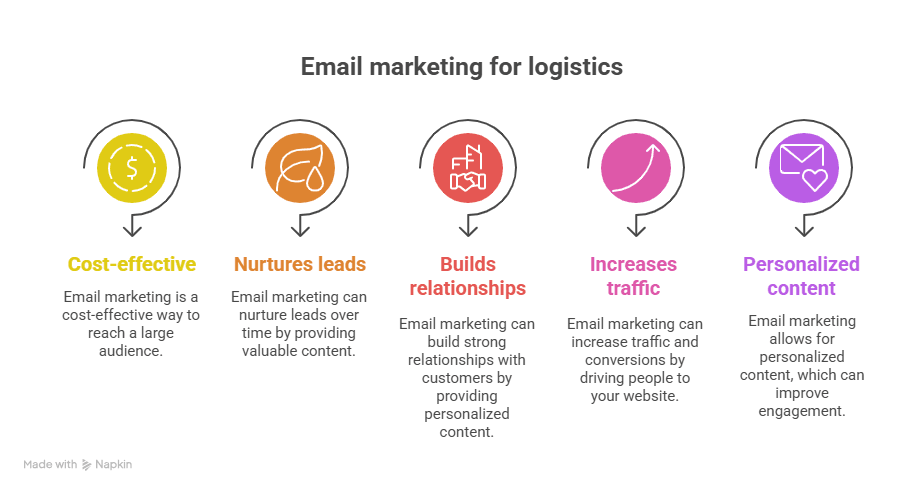
Why email works so well for logistics:
It’s cost-effective
It nurtures leads over time
It builds strong relationships
It increases traffic and conversions
It allows personalized content
What you should send:
Promotional offers
Industry updates
Case studies
Service announcements
Customer success stories
Re-engagement campaigns for inactive clients
A well-timed, well-crafted email can turn a warm lead into a paying customer — especially in the freight industry where relationships matter.
4. Build and Execute a Strong SEO Strategy
SEO (Search Engine Optimization) ensures your logistics company appears when prospects search for services like:
“Freight forwarder near me”
“Affordable LCL shipping to Europe”
“Logistics provider for e-commerce brands”
Key SEO practices logistics companies must implement in 2026:
✔ Create pages for every service you offer
✔ Target relevant keywords in all content
✔ Publish blogs at least twice per month
✔ Improve page load speed
✔ Add internal and external backlinks
✔ Keep website content updated
✔ Ensure mobile-friendly design
High-performing SEO leads to:
Stronger online credibility
Higher search rankings
Increased qualified traffic
Better conversion rates
For modern logistics companies, SEO isn’t optional — it’s the foundation of digital visibility.
5. Use Lead Generation Tools to Identify High-Intent Prospects
Lead generation tools help logistics companies identify website visitors, track their behavior, and score them based on how likely they are to convert.
These tools analyze:
Click behavior
Page visits
Time spent on key pages
Actions taken
Engagement patterns
This helps you:
Prioritize hot leads
Understand what prospects are searching for
Personalize follow-up outreach
Improve your content strategy
For small and mid-sized logistics firms, lead generation tools act as a “digital sales assistant” — saving time and improving accuracy.
Conclusion: Lead Generation Is the Engine of Logistics Growth
In 2026, logistics companies cannot rely solely on cold calls, word-of-mouth, or outdated sales processes. To grow consistently, they must:
Understand their audience
Communicate clear value
Invest in digital marketing
Implement SEO
Use lead generation tools
Nurture prospects with email
Build a long-term lead pipeline
Companies that adopt these strategies position themselves to win more contracts, expand operations, and build predictable revenue — even in a highly competitive logistics landscape.